

How Many Feeders Should You Have? A Guide for Chickens & Hummingbirds
Discover the ideal number of feeders for chickens and hummingbirds to keep your birds healthy and happy
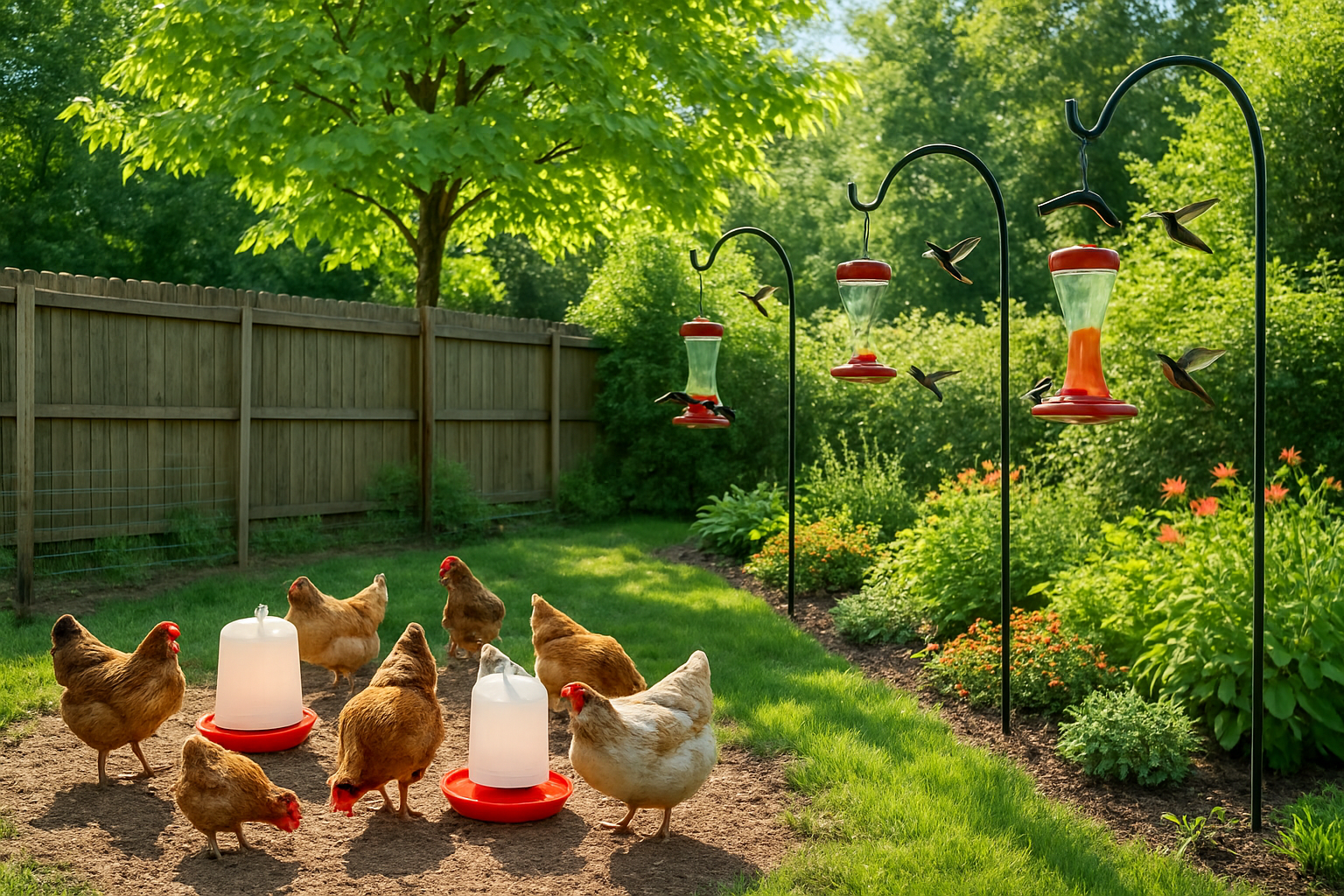
Deciding how many feeders you need can make a big difference in the health and happiness of your birds. Whether you’re raising chickens in your backyard or attracting hummingbirds to your garden, the right number of feeders helps reduce competition, prevent disease, and ensure every bird gets its fair share. In this guide, you’ll learn how to calculate the ideal number of feeders for chickens and hummingbirds, plus tips on placement, maintenance, and seasonal adjustments for your flock or feathered visitors.
Use one feeder for every four chickens, and space them out to reduce crowding and illness.
Hummingbird feeder numbers depend on bird activity, but too many can disrupt natural behavior.
Choose the right feeder size and refill every few days to keep feed fresh and safe.
How Many Feeders Do You Need for Your Chickens?
General Guidelines: Feeders per Number of Chickens
When planning for your flock, a good rule of thumb is one chicken feeder for every four birds. This guideline comes from poultry experts like the Chicken Whisperer, who emphasize the importance of reducing competition at feeding stations. Having enough feeders ensures even timid chickens get access to food.
By spacing out feeders, you also help prevent aggressive pecking and food guarding. Multiple feeders make it easier to monitor consumption and spot any health issues early on.
Choosing the Right Feeder Size and Capacity
Picking the right feeder capacity is crucial for a healthy flock. Feeders come in various sizes, from small troughs to large gravity-fed models. The right size depends on your flock size and how often you want to refill the feeders.
For example, Novatec Group recommends larger capacity feeders for bigger flocks or if you can't refill daily. This prevents feed from running out and reduces the risk of spoilage, especially in hot or humid weather.
Optimal Placement of Feeders and Waterers in the Chicken Run
Proper feeder placement and waterers in your chicken run help maintain harmony. Place feeders in different areas to minimize crowding and bullying. Avoid corners, which can trap timid birds.
Keep feeders and waterers elevated to prevent contamination from dirt and droppings. Spacing them apart also reduces the spread of disease and keeps your flock healthier overall.
How Many Hummingbird Feeders Should You Have?
Starting with One Feeder: When to Add More
If you’re new to attracting hummingbirds, start with a single hummingbird feeder. Watch how many birds visit and how much nectar disappears each day. If you notice frequent squabbles or the feeder empties quickly, it’s time to add another.
Adding more feeders can help accommodate more birds and reduce aggressive territorial behavior, especially during peak migration or breeding seasons.
Pros and Cons of Multiple Nectar Feeders
Having several nectar feeders can make your yard a hummingbird haven. Multiple feeders mean less fighting and more chances for shy birds to feed. It also lets you experiment with different feeder styles and locations.
However, more feeders require more maintenance and cleaning. Overcrowding can sometimes attract unwanted pests or make it harder to monitor nectar freshness.
How Many Feeders Is Too Many?
There’s no strict upper limit, but too many hummingbird feeders can disrupt natural bird dynamics. If you notice nectar going untouched or birds seem overwhelmed, scale back. Quality always beats quantity when it comes to feeder care.
Focus on keeping each feeder fresh and clean. Adjust the number based on bird activity and your ability to maintain them properly.
Best Practices for Maintaining Feeders
Refilling Frequency to Prevent Spoilage
Setting a consistent refilling frequency is key to healthy feeding. For both chicken and hummingbird feeders, refill every few days—more often in hot or wet weather. This prevents mold, spoilage, and wasted food.
Fresh feed and nectar keep birds coming back and reduce the risk of illness. Monitor how quickly feeders empty to adjust your schedule as needed.
Keeping Feeders Clean to Avoid Disease Transmission
Regular cleaning of feeders is crucial to prevent disease transmission. Wash chicken and hummingbird feeders with hot, soapy water at least once a week, and more often if you notice buildup or sick birds.
Clean feeders help break the cycle of bacteria and parasites. This simple habit protects your flock and wild visitors alike.
Protecting Feeders from Wild Birds and Rodents
Unwanted guests like wild birds and rodents can quickly become a problem. Use feeder designs that minimize spillage and consider baffles or guards to deter pests.
Keep the area around feeders clean and avoid leaving feed out overnight. These steps help prevent infestations and keep your birds safe.
Understanding the Impact of Feeder Number on Bird Behavior
How Multiple Feeders Affect Chicken Dynamics
Adding more feeding stations can dramatically change bird dynamics in your flock. Multiple feeders reduce bullying and allow lower-ranking chickens to eat in peace. This leads to healthier, less stressed birds overall.
Experts like the Chicken Whisperer note that well-spaced feeders also make it easier to spot which chickens are eating and which might need extra attention.
Changes in Hummingbird Behavior with More Feeders
Increasing the number of feeders can change bird dynamics among hummingbirds, too. More feeders mean less fighting and more opportunities for all birds to feed, especially during migration.
However, if feeders are too close together, dominant birds may still guard them. Spacing feeders out of sight from each other helps more hummingbirds feed peacefully.
Seasonal Considerations for Feeding Birds
When to Stop Feeding Hummingbirds
Knowing when to stop using hummingbird feeders is important for their migration. In most regions, you can leave feeders up for two weeks after you see your last hummingbird. This ensures late migrants have food for their journey.
Don’t worry—keeping feeders up won’t stop hummingbirds from migrating. They leave based on daylight, not food availability.
Adjusting Feeder Numbers Throughout the Year
Your feeder capacity needs may change with the seasons. Add extra feeders during peak migration or breeding times, and scale back when bird activity slows.
For chickens, adjust feeder numbers if your flock size changes or if you notice increased competition. Regularly reassessing your setup keeps your birds healthy year-round.
Choosing the right number of feeders and keeping them clean is one of the best ways to support healthy, happy birds. Whether you’re tending backyard chickens or welcoming hummingbirds, regular maintenance and thoughtful placement make all the difference. Pay attention to your flock’s needs, adjust as you go, and enjoy the rewards of a thriving bird community in your own yard.
How many feeders should I have for 12 chickens?
Aim for at least three feeders for 12 chickens, based on the one feeder per four birds rule. Spacing them out helps prevent crowding and bullying.
Is it okay to have just one hummingbird feeder?
Yes, you can start with one hummingbird feeder. Add more if you notice a lot of activity or aggressive behavior among the birds.
How often should I clean my chicken and hummingbird feeders?
Clean all feeders at least once a week, and more often in hot weather or if you see mold, residue, or signs of illness.
Can I put chicken feeders and waterers next to each other?
It's best to space feeders and waterers apart in the chicken run to reduce mess and avoid contamination. This also helps prevent disease spread.
What happens if I have too many hummingbird feeders?
Too many feeders can lead to nectar waste and may attract pests. Focus on maintaining a few clean, well-placed feeders based on bird activity.
Do I need to change feeder numbers in winter or summer?
Yes, adjust the number of feeders based on bird activity. You may need more during migration or breeding season, and fewer when activity slows.
How can I protect my feeders from rodents and wild birds?
Use rodent-proof designs, keep the area clean, and avoid leaving feed out overnight. Consider baffles or guards to deter unwanted visitors.