

Best Ways to Attract Songbirds: Food, Habitat, and Water Tips
Discover proven strategies to welcome more songbirds to your yard using the right plants, feeders, and water sources.
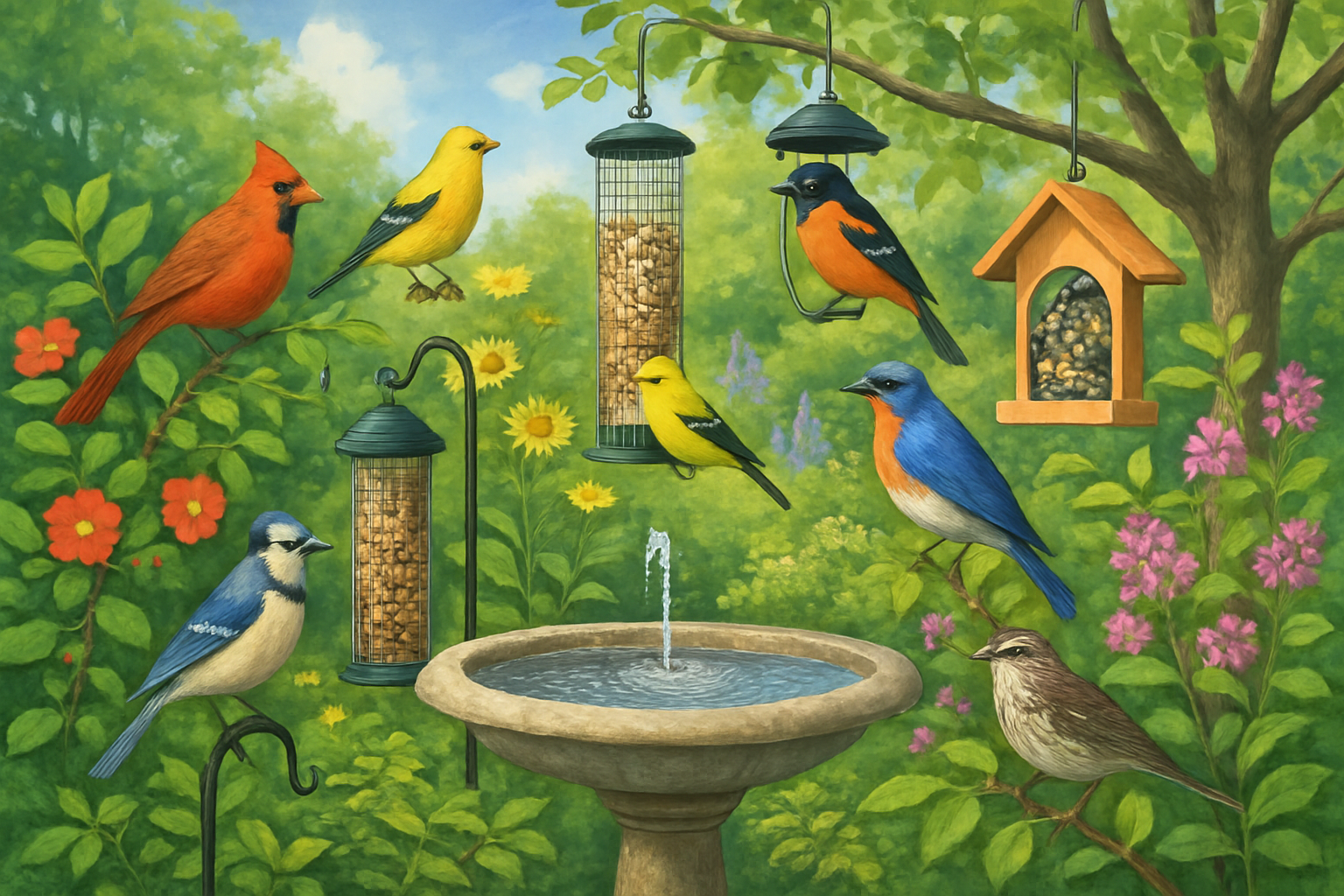
If you want to fill your yard with the cheerful sounds of songbirds, you’ll need more than just a basic feeder. Attracting a variety of these feathered friends requires a mix of the right foods, native plants, water sources, and safe spaces. Whether you’re hoping to spot Baltimore Orioles, bluebirds, or White-eyed Vireos, a little planning can transform your garden into a haven for birds. Let’s explore the best ways to invite songbirds to visit, nest, and thrive right outside your window.
Plant native shrubs, vines, and trees to attract a wide range of songbirds long-term.
A clean, shallow bird bath with a dripping feature greatly increases bird visits, especially during hot months.
Offer a mix of black oil sunflower seeds, nyjer thistle, mealworms, and fruit to attract diverse songbird species and deter pests.
Why Focus on Attracting Songbirds?
Benefits of Songbirds in Your Garden
Welcoming songbirds into your garden brings more than just beautiful melodies. These birds help control insect pests, pollinate flowers, and disperse seeds, making them valuable allies for gardeners. Organizations like the Audubon Society and Cornell Lab of Ornithology highlight their role in maintaining ecological balance.
By attracting songbirds, you’re supporting local biodiversity and creating a vibrant, living landscape. Their presence can make your outdoor space more enjoyable and healthier for both people and plants.
Understanding Songbird Behavior
To attract more songbirds, it helps to understand their habits. Most songbirds are drawn to areas that offer food, water, shelter, and safe nesting spots. They’re especially attracted to gardens that mimic natural habitats with layers of plants and diverse food sources.
Observing their behavior can help you tailor your garden to their needs. For example, bluebirds and Baltimore Orioles have different preferences, so variety is key to welcoming a range of species.
What Are the Best Foods to Attract Songbirds?
Seeds That Songbirds Prefer
The foundation of any bird-friendly yard is offering the right seeds. Black oil sunflower seeds are a favorite among many songbirds because of their high fat content and thin shells. Nyjer thistle is especially loved by finches and other small songbirds.
Mixing these seeds in your feeders can attract a wide variety of species, from goldfinches to chickadees. Always choose high-quality seeds to avoid waste and discourage less desirable visitors.
Using Mealworms and Fruits
Many songbirds, such as bluebirds and Baltimore Orioles, are attracted to protein-rich mealworms and fresh fruit. Mealworms can be offered live or dried, and fruit like oranges and grapes are irresistible to orioles and tanagers.
Placing mealworms and fruit in open trays or specialized feeders can draw in species that don’t typically visit seed feeders, adding diversity to your backyard birdwatching.
Avoiding Pest Species with Proper Food Choices
Choosing the right foods helps attract songbirds while minimizing visits from pest species like starlings and house sparrows. Avoid mixes with cheap fillers such as milo and cracked corn, which often appeal to unwanted birds.
Sticking to black oil sunflower seeds, nyjer thistle, and mealworms will keep your feeders busy with desirable visitors and reduce competition from aggressive non-native birds.
How to Create a Bird-Friendly Habitat with Plants
Choosing Native Trees and Shrubs
Building a true bird-friendly habitat starts with native plants. Species like oaks, hickories, elms, and willows provide natural food and shelter for songbirds. Native plants support more insects, which are essential for many birds, especially during nesting season.
The Audubon Society recommends researching which native trees and shrubs thrive in your region. These choices will attract a wider variety of songbirds and help sustain them year-round.
Planting Fruit-Bearing Trees and Vines
Adding fruit-bearing trees and vines, such as serviceberry, dogwood, and wild grape, offers an extra food source for birds like White-eyed Vireos and orioles. These plants provide berries and fruit throughout the seasons, supporting birds when insects are scarce.
Planting shrubs and trees that fruit at different times ensures there’s always something for your feathered guests to eat, keeping them coming back.
Providing Shelter and Nesting Sites
Dense plantings of shrubs and evergreens offer essential shelter and nesting sites for songbirds. These safe spaces protect birds from predators and harsh weather while providing materials for nest building.
Layering your landscaping with a mix of tall trees, mid-sized shrubs, and ground cover creates a welcoming environment for a variety of species to feed, rest, and raise their young.
How to Set Up and Maintain Bird Feeders
Types of Feeders to Use
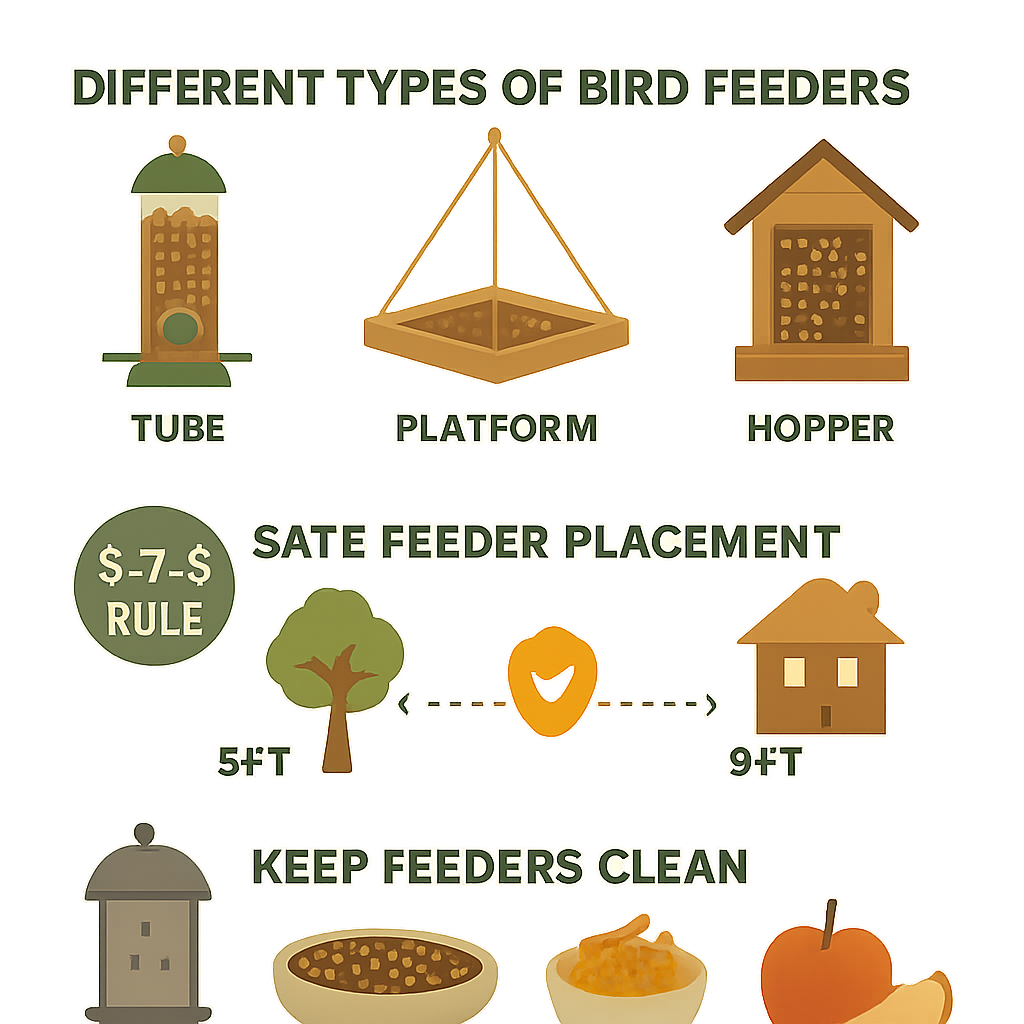
Different bird feeders attract different species. Tube feeders are great for small songbirds like finches, while platform and hopper feeders appeal to a broader range. Specialized feeders, such as oriole feeders for fruit and nectar, can attract Baltimore Orioles and other unique visitors.
Using a mix of feeder types increases the diversity of birds in your yard. Place feeders at varying heights and locations to accommodate different feeding habits.
The 5-7-9 Rule for Feeder Placement
The "5-7-9 rule" helps keep birds safe from predators. Place feeders at least five feet off the ground, seven feet away from dense cover (where cats might hide), and nine feet from windows to prevent collisions.
This simple guideline, recommended by the Cornell Lab of Ornithology, minimizes risks and ensures your feathered guests can feed comfortably and safely.
Keeping Feeders Clean and Safe
Regularly maintaining clean feeders is crucial for bird health. Dirty feeders can spread disease among songbirds, so wash them with hot, soapy water every week or two, and rinse thoroughly.
Check for moldy seeds or spoiled fruit, and discard them promptly. Clean feeders will keep your backyard birds healthy and encourage them to return often.
Why Is Providing Water Important for Songbirds?
Setting Up Bird Baths and Water Features
A reliable water source is just as important as food for attracting songbirds. Bird baths with shallow basins and gently sloping sides are ideal, as they allow birds to drink and bathe safely. Adding a dripping or bubbling feature makes the water more noticeable and appealing.
Place bird baths in a visible but sheltered spot, and keep the water clean to prevent disease. Moving water attracts more birds, especially during dry spells.
Maintaining Water Sources Year-Round
Songbirds need fresh water in all seasons, not just summer. In winter, use a heated bird bath or add warm water regularly to prevent freezing. Clean the bath often to remove algae and debris.
Consistent access to water, even in cold weather, can make your garden a crucial stop for migrating and resident birds alike.
How to Attract Ground Feeding Songbirds
Foods and Seeds for Ground Feeders
Some ground feeding birds, like sparrows, towhees, and juncos, prefer to eat on the ground rather than at elevated feeders. They’re attracted to seeds such as millet, cracked corn, and sunflower chips scattered on bare earth or low platforms.
Offering a mix of these foods can bring a new group of songbirds to your yard. Just be sure to use fresh seed and avoid overfeeding, which can attract rodents.
Creating Safe Ground Feeding Areas
Safety is key when feeding birds on the ground. Choose an open area away from dense cover where predators might lurk, and keep the spot clean by removing old seed and debris regularly.
Providing low shrubs or brush piles nearby gives ground feeders a quick escape route if threatened, while still allowing you to enjoy their visits up close.
Additional Tips to Maximize Songbird Visits
Using Coffee Grounds and Potatoes Near Feeders
Some gardeners sprinkle used coffee grounds or place cut potatoes near feeders to deter ants and other pests. While not a magic solution, these methods can help keep the area around your feeders more inviting for songbirds.
Always use food-safe, pesticide-free materials, and monitor for any unwanted side effects. This small step can make feeder maintenance easier and more effective.
Getting Neighbors Involved
Creating a bird-friendly habitat is even more successful when your neighbors join in. Coordinating with others to plant native species and avoid pesticides can turn your whole neighborhood into a haven for songbirds.
Community efforts, supported by organizations like the Audubon Society, can have a big impact on local bird populations and increase everyone’s enjoyment.
Maintaining a Four-Season Habitat
To keep birds coming year-round, focus on building a four-season habitat. This means providing food, water, and shelter in every season, from winter berries to summer baths.
Planting shrubs and trees that offer resources in all weather ensures your garden remains a reliable stop for both resident and migrating songbirds, no matter the time of year.
Attracting songbirds to your garden is about more than just hanging a feeder—it’s about creating a welcoming, safe, and resource-rich environment. By planting native shrubs and trees, offering clean water, and providing a variety of foods, you’ll enjoy the sights and sounds of songbirds all year. Start with one or two changes, and soon you’ll see—and hear—the difference right outside your window.
What is the best food to attract a variety of songbirds?
Black oil sunflower seeds, nyjer thistle, mealworms, and fresh fruit are top choices for attracting many songbird species.
How do I keep bird feeders safe and clean?
Wash feeders with hot, soapy water every week or two, and remove old or moldy food promptly to prevent disease.
Why are native plants important for attracting songbirds?
Native plants provide natural food, shelter, and nesting sites that local songbirds depend on, supporting more species year-round.
How can I provide water for songbirds in winter?
Use a heated bird bath or add warm water regularly to keep water from freezing, and clean the bath often.
What is the 5-7-9 rule for bird feeder placement?
Place feeders five feet off the ground, seven feet from dense cover, and nine feet from windows to keep birds safe.
Which plants attract Baltimore Orioles and bluebirds?
Fruit-bearing trees and vines like serviceberry, dogwood, and wild grape are especially attractive to Baltimore Orioles and bluebirds.
How do I attract ground feeding birds safely?
Scatter seeds in open areas away from dense cover, keep the ground clean, and provide nearby shrubs for quick shelter.